You've just finished a book you loved, and now everything else looks wrong. One novel feels too heavy. Another sounds fine but not for tonight. A bestseller has hype, but your brain wants comfort, not hype. That stuck feeling is exactly why so many readers keep asking what book should i read next and still end up scrolling instead of reading.
The fix is simple. Stop starting with genre. Start with mood. A thriller can feel exhausting if you want tenderness. Literary fiction can feel perfect if you want to slow down and think. The right next book isn't the most popular one. It's the one that fits the version of you sitting on the sofa right now.
Table of Contents
- Why 'What Book Should I Read Next' Is the Wrong Question
- Start With Your Current Reading Mood
- Find Your Perfect Genre Match
- Test Drive Your Next Book
- Let an Expert Choose for You
- Your Next Favourite Book Is Waiting
Why 'What Book Should I Read Next' Is the Wrong Question
The problem usually isn't a lack of good books. The problem is choice overload. You finish one book, open three tabs, save twelve recommendations, then read nothing.
A lot of book content makes this worse. It throws more titles at you. More hidden gems. More “must-reads.” More giant lists that treat every reader like they're in the same mood, with the same energy, on the same schedule. That's useless if you want one book that fits now.
Most readers don't need a bigger list. They need a faster way to rule books out.
That's why what book should i read next is the wrong starting point. It assumes the title comes first. It doesn't. The core question is how should I choose my next book?
A better process filters by mood, time, and format. That works because it tackles the actual barrier, which is selection fatigue, not a shortage of options. The case for a decision framework over another pile of “underrated books” is clear in this discussion of choice overload and selection logic.
What actually helps
Three things narrow the field fast:
- Your emotional state. Do you want comfort, suspense, catharsis, or challenge?
- Your reading energy. Can you handle a dense plot, or do you need clean, readable pages?
- Your available time. Weekend binge, commute read, or slow-burn month-long companion?
If you pick your next book with those filters first, you stop chasing “good books” in the abstract and start choosing books that fit your life.
The shift that makes this easy
Genre still matters. It just comes second.
A mystery fan can want a cozy read one week and a brutal, high-stakes one the next. A romance reader can want banter one month and heartbreak the next. Mood tells you what kind of experience you're after. Genre tells you where to find it.
Start With Your Current Reading Mood
Mood-first reading works because it matches the book to your real state, not your ideal self. That's why tools like Whichbook let readers search by feelings such as Feelgood, Edgy, Make Me Think, Emotional, and Dark & Gritty in its mood-based discovery tool. It's a smarter starting point than grabbing whatever's trending.

Ask better questions first
Don't ask, “What's a good book?” Ask questions that force a clearer answer.
-
Do you want escape or reflection?
Escape points you toward propulsive fiction. Reflection points you toward literary fiction, memoir, or thoughtful nonfiction. -
Do you want comfort or friction?
Comfort means familiar emotional beats, readable prose, and low stress. Friction means books that unsettle you a little and make you think harder. -
How much energy do you have?
Low energy readers shouldn't pick a dense, multi-voice saga just because it's acclaimed. Pick something with momentum. -
How much time do you have this week?
A brilliant long book is still the wrong choice if you only have twenty-minute reading windows.
Practical rule: Match the book to your current capacity, not your reading ambitions.
A quick mood check you can use tonight
Use this simple check and answer fast. Don't overthink it.
If you need comfort
Pick something emotionally clear, immersive, and readable. Romance, cosy mystery, warm fantasy, and character-led contemporary fiction often work well here.
If you want excitement
Go for momentum. Thrillers, mysteries, horror, and fast fantasy are your friends. You want chapters that end with a tiny hook.
If you're craving reflection
Choose books with interiority. Literary fiction, memoir, essays, or idea-driven nonfiction will scratch that itch better than plot-heavy books.
If you want a good cry
Stop pretending you want “something light.” You want release. Start with emotionally open books and keep a shortlist of proven tearjerkers. If that's your lane, try this list of books that will make you cry.
If your attention span is wrecked
Pick short chapters, strong voice, or story collections. The wrong book can make you think you're in a slump when you're really just badly matched.
One more filter that matters
Format changes everything.
Audiobook if you want company. Ebook if you want convenience. Paperback if you want to sink in properly. Don't treat format like an afterthought. A solid book in the right format beats a brilliant book in the wrong one.
Find Your Perfect Genre Match
Once you know your mood, genre becomes useful again. At this point, readers finally answer what book should i read next in a way that feels specific instead of random.
Curated discovery works because it mixes a familiar signal, like a favourite genre, with something fresh, like a new release or a title that sharpens your usual taste. You can see that logic in how readers gravitate toward practical, recognisable picks on the Goodreads statistics shelf. Familiarity lowers risk. Novelty keeps reading exciting.
Mood-to-Genre Quick-Match Guide
| If Your Mood Is... | Try These Genres... | For an Experience That Is... |
|---|---|---|
| Tired and craving comfort | Romance, cosy mystery, gentle fantasy | Warm, readable, and emotionally safe |
| Restless and under-stimulated | Thriller, mystery, horror | Fast, tense, and hard to put down |
| Thoughtful and inward | Literary fiction, memoir, essays | Reflective, layered, and quietly absorbing |
| Adventurous and ready to disappear | Epic fantasy, historical fiction, speculative fiction | Expansive, transporting, and immersive |
| Emotionally blocked | Family drama, literary fiction, memoir | Cathartic, intimate, and likely to hit a nerve |
| Curious and mentally alert | Narrative nonfiction, science writing, big-idea books | Smart, interpretive, and discussion-worthy |
How to use genre without letting it trap you
A lot of readers over-identify with one shelf. “I'm a thriller person.” “I only read romance.” That's fine until it stops being true for this week.
Try these pairings instead:
-
Need comfort but hate fluff
Try cosy mystery or historical fiction. You still get structure and stakes, but without emotional chaos. -
Want excitement without darkness
Reach for adventure fantasy or a brisk mystery instead of heavy horror. -
Want to think without feeling assigned homework
Pick narrative nonfiction or memoir over dense theory. You want insight, not punishment. -
Want emotional depth without total devastation
Go for literary fiction with strong character focus rather than the bleakest book you can find.
Genre should narrow your options, not lock you in.
One more useful rule. Don't choose by genre alone. Genre tells you the broad territory. Mood tells you whether you want a haunted house, a witty love story, a sweeping war novel, or a sharp little book that changes how you see things.
If you're browsing shelves in person or online, use this order: mood first, genre second, freshness third. That freshness piece matters. A book that feels aligned with your usual taste but still offers a new angle often lands better than a completely random detour.
Test Drive Your Next Book
You don't need to commit blindly. A good book choice should survive a small test before it gets your full weekend.
Use a three-part test
Here's the fastest way to avoid a mismatch.
-
Read the opening properly
Don't just skim the blurb and declare victory. Read the opening pages. You're checking voice, pacing, and whether you want to keep turning pages without forcing it. - Sample the format you'll use If you mostly listen, test the audiobook sample. A great novel with a grating narrator becomes a chore fast.
-
Check two kinds of recommendation signals
Community-based platforms give you broad social proof, while expert curation helps you verify quality in a niche. That combination is useful because Goodreads offers scale and Five Books-style recommendations add specialist judgment, as noted in Goodreads' reader and recommendation platform overview.
A book doesn't need universal praise. It needs the kind of praise that matches your taste.
Read reviews like an adult, not a hostage
Stop reading only glowing reviews. They're often too vague to help.
Read the middle reviews. The three-star ones are usually where people explain the actual trade-offs:
- Pacing complaints tell you whether the book is slower than you want.
- Writing style complaints tell you whether the prose is ornate, clipped, witty, or flat.
- Character complaints tell you whether you're getting unlikeable people, messy choices, or emotional distance.
If several readers say, “Beautiful writing, but nothing happens,” that's not bad news if you're in a reflective mood. It's bad news if you wanted a bingeable page-turner.
For discussion-heavy picks, it also helps to browse books other readers loved talking about together. This roundup of 5-star books for book clubs is useful when you want something with enough substance to keep a conversation going.
A simple pass-fail rule
Pass on the book if the sample feels like work for the wrong reason.
Dense can be good. Slow can be good. Challenging can be good. But if the style, tone, or pace clashes with your current mood, move on. There are too many strong books to spend time proving your discipline.
Let an Expert Choose for You
Sometimes the smartest answer to what book should i read next is not “research harder.” It's “hand the decision to someone with taste.”

Why curated picks work
Readers often want a shortcut, not a giant catalogue. They want a well-chosen book that suits their taste and arrives without a lot of hunting. That's especially relevant in Canada, where convenience, availability, and delivery details matter alongside taste. The growing pull of curated novelty plus convenience is described in this discussion about current discovery habits and buying practicalities.
That's why curated subscriptions make sense. They reduce the search burden, narrow your options, and keep discovery fun instead of draining.
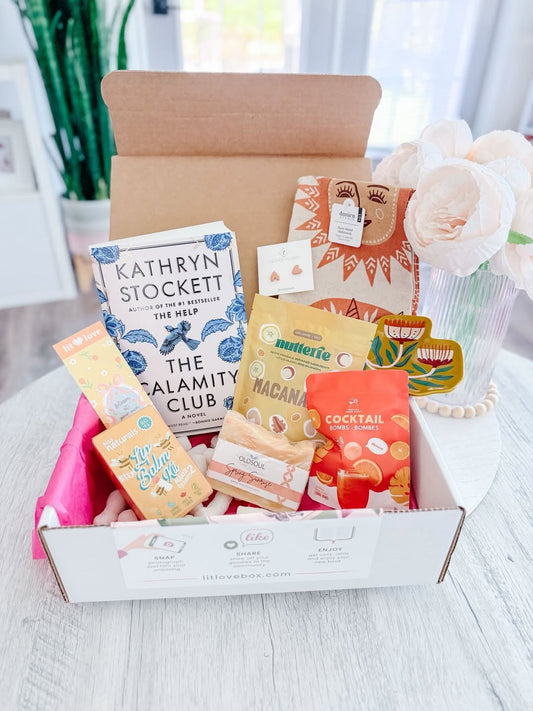
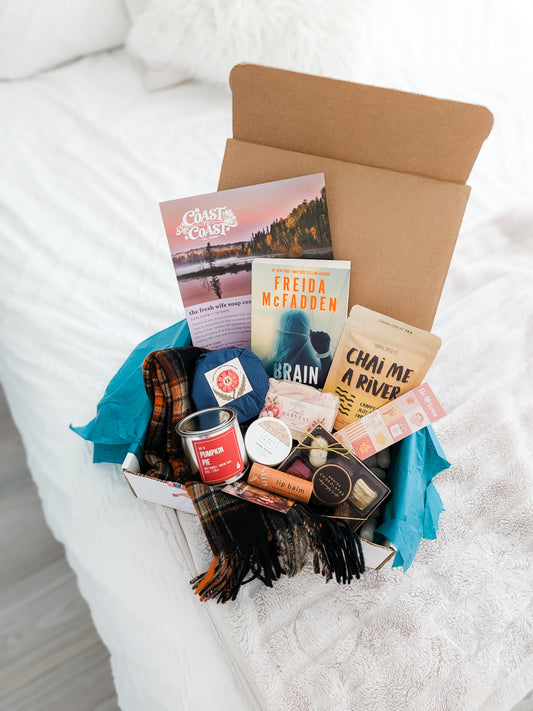
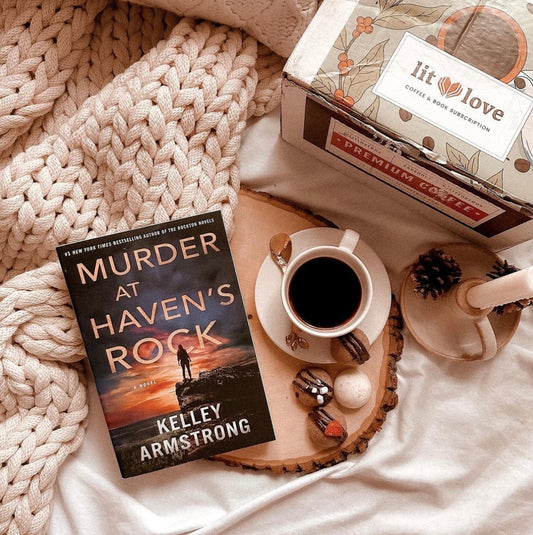
A service like Lit Love Ltd. subscriptions gives readers a structured shortlist through genre-based monthly picks, with the option to choose a title or go with a surprise. For Canadian readers who like new releases and want the decision handled cleanly, that's a practical tool, not just a treat.
If you keep stalling at the choosing stage, curation isn't laziness. It's a better system.
When a subscription makes more sense than another search
A curated option is especially useful if any of these sound familiar:
- You're busy and don't want to spend your free time comparing blurbs.
- You buy gifts and want the book to feel personal without guessing wildly.
- You like new releases but don't want to track every publishing list yourself.
- You want the experience, not just the title. A box can turn “pick a book” into a small monthly ritual.
The important point isn't that someone else chooses for you every time. It's that a curator can do the heavy lifting when your brain is full, your attention is thin, or you want a gift that doesn't feel generic.
Your Next Favourite Book Is Waiting
You don't need a perfect algorithm. You need a process you'll use.
Start with mood. Then match that mood to a genre that delivers the experience you want. Then test drive the book before you commit. That's the whole method, and it works far better than wandering through endless recommendation lists hoping one title jumps out.
The best part is that this approach gets easier the more you use it. You'll start noticing your own patterns. Maybe you love mysteries when you're tired, memoir when you're reflective, and fantasy when life feels too small. Once you see those patterns, choosing gets faster.
Your next favourite book probably isn't hiding. It's waiting behind a better question.
So if you're stuck, don't ask what everyone else is reading. Ask what kind of reading experience you want tonight. That answer is sharper, more personal, and much more likely to lead you somewhere good.
If you want a simpler way to choose your next read in Canada, Lit Love Ltd. offers curated new-release book boxes with extras, plus options to pick your book or go with a surprise. It's a tidy solution for readers and gift buyers who want less scrolling and more reading.