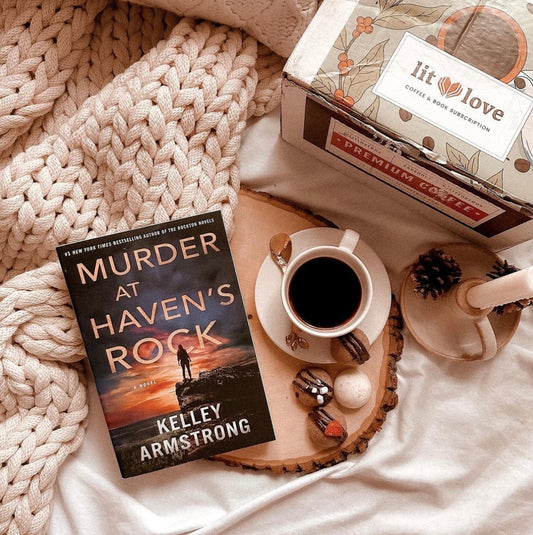
Have you ever gone looking for books that will make you cry, only to find the same flat list over and over again? Most recommendations stop at “this one is sad” and leave out the part that matters: what kind of cry it delivers, how heavy it gets, and what might help you feel held while you read.
That gap matters. Readers aren’t always looking to be wrecked for the sake of it. Often, they want catharsis, a feeling of release, and a story that helps them sit with grief, tenderness, memory, or hope in a way that feels meaningful. For many people, that emotional arc is part of why reading matters in the first place. In Canada, emotional impact has become a real buying factor for readers, with 42% saying they choose books based on how a book makes them feel, according to the BookNet Canada 2023 Canadian Book Consumer Study.
This list is built like a crying concierge. Each pick tells you why it hurts, who it suits, what to watch for, and how to make the reading experience softer. If you want a deeper frame for exploring emotional experiences, start here. Then pick the book that matches the kind of cry you need.
Why We All Need a Good Cry Sometimes (Intro)
A well-chosen sad book can do more than leave you in pieces. It can give grief shape, release pressure you have been carrying, and return you to yourself a little softer than before.
Readers often choose fiction for emotional payoff, not just plot or genre. The Reading Agency’s work on reading and wellbeing points to something many of us already know from experience. Books help people process feeling, reflect, and reconnect. That makes a more emotionally intentional curation useful, especially if you want catharsis instead of shock for shock’s sake.
That is the job of this list.
It works as a crying concierge. Each pick tells you what kind of cry the book delivers, where the emotional pressure comes from, and what content warnings you should know before you start. It also pairs each title with a Cozy Reading Kit suggestion, so the experience feels held rather than harsh. If you already know you want historical fiction with emotional weight, browse historical books for a cathartic reading night.
Some books break you open through injustice. Others get there through tenderness, friendship, anticipatory grief, or the small humiliations and mercies of ordinary life. Those are different reading experiences, and they call for different timing.
A Little Life asks for real emotional stamina. A Man Called Ove offers a gentler release. Five Little Indians and Indian Horse carry historical and intergenerational trauma that deserve care, attention, and the right reading mood.
That distinction matters. The best tearjerker is not always the saddest book on the shelf. It is the one that meets you where you are, tells the truth about its emotional cost, and gives you a meaningful cry rather than a miserable one.
1. Five Little Indians
Michelle Good’s Five Little Indians is one of the most emotionally serious books on this list. It follows five survivors of residential schools as they try to build lives in Vancouver, carrying trauma that doesn’t stay neatly in the past. The novel doesn’t ask for easy tears. It asks for attention, patience, and a willingness to sit with pain that is personal, historical, and ongoing.
For Canadian readers, the setting gives the grief an added closeness. Streets, neighbourhoods, and ordinary routines become part of the emotional force. This isn’t abstract suffering. It’s survival unfolding in a recognizable place.
Why it hits so hard
The novel’s strength is its refusal to flatten any of its characters into symbols. Good gives each person their own rhythm, damage, coping habits, and hope. That makes the sadness land harder because the book keeps insisting on full humanity.
It also has strong book-club appeal because readers rarely finish it with the same emotional response. Some come away devastated by its depictions of trauma. Others hold most tightly to the friendship, resistance, and imperfect forms of healing.
Practical rule: Don’t pick this as your “I want a light cry before bed” read. Pick it when you have emotional room for a book that asks more of you.
- Best for: Readers who want a Canadian novel with weight, context, and discussion value.
- Watch for: Residential school trauma, abuse, addiction, violence, and lasting psychological harm.
- Trade-off: The shifting points of view give the novel breadth, but some readers may find the pacing uneven.
Cozy Reading Kit
This is the kind of book that benefits from a gentler reading setup. Think tea over coffee, a journal instead of a phone nearby, and slow reading in shorter stretches.
If you want to pair it with a fitting genre shelf, Lit Love’s historical book collection is a useful place to start, especially if you want emotionally rich fiction that stays grounded in history and consequence.
2. Indian Horse

Richard Wagamese’s Indian Horse is shorter and stylistically cleaner than some of the heavier books that will make you cry, but don’t mistake that clarity for softness. The prose is spare. The emotional effect is not.
Saul Indian Horse’s love of hockey gives the novel an accessible entry point, especially for Canadian readers who might connect first through sport before the deeper reckoning arrives. That structure works well. You move through skill, ambition, and motion, then realize the book has been building toward something much more painful underneath.
Why this one sneaks up on you
This novel often lands hardest on readers who think they know where it’s going. Wagamese writes with restraint, and that restraint creates force. The book doesn’t overperform its sadness. It lets recognition do the damage.
The short chapters help. They make a difficult subject more approachable without diluting it. That matters for readers who want a serious emotional read but don’t want to fight dense prose to get there.
Some books announce themselves as devastating. This one speaks quietly and still leaves people in tears.
Best reader match
Choose this if you want a modern Canadian classic that is emotionally direct but structurally manageable. It’s also a strong pick for buddy reads, classrooms, and readers returning to emotional fiction after a break.
- Best for: Readers who want a heavy, humane novel they can move through in a few sittings.
- Watch for: Residential school abuse, racism, addiction, violence, and trauma recovery.
- Trade-off: Some side characters leave lasting questions behind, and not every reader will get the closure they want.
3. A Little Life
If you ask regular readers for books that will make you cry, A Little Life by HanyaYanagihara comes up fast. It has that reputation for a reason. This is the longest, bleakest, and most polarizing novel on the list, and whether it feels profound or punishing often depends on your tolerance for sustained suffering on the page.

At its best, the book is immersive in a way few contemporary novels are. It tracks friendship, care, damage, loyalty, and the limits of love across years. When it works for a reader, it works completely.
Why readers call it overwhelming
This novel is emotionally towering, but it’s also demanding. The length asks for commitment. The content asks for caution. The experience is less “sad book” and more “total emotional environment.”
That is the essential trade-off. The character work is rich enough to sustain the scale, yet the graphic self-harm and abuse make it a poor fit for anyone who wants catharsis without feeling crushed by the process.
Cozy Reading Kit
Don’t pair this with a rushed weekend. Pair it with margin. A soft blanket, a low-stimulation evening, herbal tea, and breaks between sections all help.
- Best for: Readers who want a sweeping, friendship-centred novel with maximum emotional intensity.
- Watch for: Graphic abuse, self-harm, trauma, disability-related pain, and sustained despair.
- Trade-off: Its emotional force is undeniable, but for some readers the bleakness overwhelms everything else.
4. The Nightingale
What if you want a book that will make you cry, but you still want the pages to turn fast? Kristin Hannah’s The Nightingale is one of the safest recommendations for that brief. Set in Nazi-occupied France, it follows two sisters whose choices expose different forms of courage, survival, and loss. The emotion comes from war, yes, but also from the intimate ways war reshapes family life, motherhood, trust, and the body.
This is the kind of tearjerker I hand to readers who want catharsis without having to fight the prose first. Hannah writes with clarity and momentum. That makes the pain feel immediate. You keep reading for plot, then realise the book has steadily built a full emotional charge underneath you.
Its popularity is not a fluke. Kristin Hannah’s backlist has reached a wide commercial audience, and Publishers Weekly coverage of her sales milestone helps explain why novels like this travel so well across reader tastes. The Nightingale works for readers who want historical fiction with strong narrative drive, recognizable stakes, and scenes designed to hit the heart cleanly.
That strength comes with a trade-off. If you read a great deal of WWII fiction, some plot beats may feel familiar, and some readers prefer more restraint than Hannah gives them. I do not see that as a flaw so much as a fit issue. This book commits to emotional clarity over ambiguity.
If you want more emotionally driven historical picks after this one, Lit Love’s curated book picks for comfort-and-catharsis reading are a useful next stop.
Why the tears hit hard
The novel understands pacing. It alternates fear, tenderness, separation, sacrifice, and brief relief, which keeps your guard down. Then it presses on the exact places readers tend to break: sisters who do not fully understand each other, impossible wartime choices, and love expressed through action instead of speeches.
It also gives you a cleaner kind of cry than some books on this list. You are grieving what happens, but you are also crying because the characters keep choosing one another under pressure.
Content notes and Cozy Reading Kit
- Best for: Readers who want a sweeping historical novel with strong plot, high feeling, and accessible prose.
- Watch for: War violence, persecution, sexual threat, family separation, death, and trauma involving children.
- Trade-off: The emotional payoff is strong, but readers who want subtle literary restraint may find parts of it too engineered for impact.
Cozy Reading Kit: a heavy blanket, chamomile tea, tissues within reach, and a full evening with no hard stop. This is a strong Lit Love box kind of pick because the reading experience benefits from built-in comfort. The book asks a lot emotionally, and a softer setup helps.
5. A Man Called Ove
A Man Called Ove works differently from the other books on this list. It isn’t trying to drown you in sadness from page one. Instead, it starts with irritation, routine, and dry humour, then slowly reveals the grief under the surface. That structure makes it one of the safest gateway picks for readers who want a cathartic cry without emotional exhaustion.
Ove is gruff, stubborn, and initially easy to dismiss. Backman counts on that. The novel becomes moving because it keeps peeling back what that gruffness is protecting.
Why the tears come with a smile
This is a cry-and-smile book, not an ugly-cry endurance test. The emotional release comes from watching community break through isolation. It’s about bereavement, yes, but also about nuisance, neighbourliness, and the awkward ways people save one another.
That tonal blend is what makes it work so well as a gift. It’s accessible, readable, and broad in appeal without feeling empty.
If someone says they want a sad book but they don’t want to feel wrecked, start here.
Readers often respond well to emotional books when the sadness has a clear sense of purpose. That matters in a market where emotional reads hold attention. In Western Canada, 67% of literary box subscribers renewed plans featuring emotional reads in a 2024 survey by the Canadian Subscription Box Association, which suggests readers value cathartic experiences when they feel thoughtfully curated.
Cozy Reading Kit
- Best for: Casual readers, gift-givers, and anyone who wants warmth with their tears.
- Watch for: Grief, suicidal ideation, loss of a spouse, and emotional loneliness.
- Trade-off: If you dislike sentimentality or quirky-neighbour setups, the opening stretch may feel too familiar before the novel deepens.
Pair it with coffee, a soft throw, and something sweet. This is comfort-reading, even when it hurts.
6. The Fault in Our Stars
John Green’s The Fault in Our Stars remains one of the most reliable crossover picks in the cry-book category. It’s YA, but not only for teens. Adults still read it for the same reason younger readers do. The voice is quick, funny, self-aware, and then suddenly devastating.
This is one of the few books here that can make a reader laugh in one paragraph and tear up in the next without feeling manipulative. That tonal control is hard to pull off. Green does it well.
Why it became a touchstone
In Canada, the book had a measurable impact. After its 2012 release, it sold 125,000 copies in Canada within months, topped Indigo-Chapman’s charts for 22 consecutive weeks, and sparked a 35% spike in YA tear-jerkers, according to Publishers Weekly’s 2024 analysis of Canadian Nielsen BookScan data. That matters because it shows this wasn’t only a bestseller. It shaped what readers looked for next.
The novel’s staying power also comes from its readability. Even readers who don’t usually choose sad books can get through it quickly, which makes the emotional effect feel immediate rather than abstract.
If you want to turn that mood into a full reading-night ritual, Lit Love’s current monthly book picks make it easy to build around an emotionally resonant read.
Who should pick this one
- Best for: Teens, students, nostalgic adult readers, and gift-givers who want a known tearjerker.
- Watch for: Cancer, terminal illness, grief, loss, and hospital settings.
- Trade-off: Some adult readers won’t connect with the teen voice, and the book’s cultural ubiquity means many readers already know its major turns.
7. We All Want Impossible Things
Catherine Newman’s We All Want Impossible Things is the most compact emotional hit on this list. It centres on lifelong friends Ash and Edi as Edi faces terminal illness, and it manages to be messy, funny, scared, loving, and very sad all at once. If you need books that will make you cry but don’t want an 800-page commitment, this is the sharpest recommendation here.
Its hospice setting is handled with warmth and candour rather than solemn distance. That’s important. The novel understands how grief sounds among people who know each other well. It can be vulgar, affectionate, absurd, tender, and exhausted in the same breath.
Why this one feels intimate
Some sad novels create scale. This one creates closeness. It doesn’t try to speak for grief in general. It stays with one friendship and trusts that specificity will do the emotional work.
That decision pays off. The book doesn’t feel manipulative because it doesn’t overreach. It knows exactly whose story it’s telling.
The current state of recommendations often treats crying books as one undifferentiated pile, but there’s a meaningful difference between books that process loss gently and books that push readers toward despair. That gap is part of what makes a more emotionally intentional curation useful, as noted in BookScouter’s discussion of “sad books” and reader preparedness.
Cozy Reading Kit
This is a strong one- or two-sitting read, so build for immediacy. Tea, tissues, lip balm, and a quiet evening work better than a packed train ride or lunch break.
- Best for: Busy readers who want a contemporary novel with a high emotional return in a short span.
- Watch for: Terminal illness, anticipatory grief, hospice care, and end-of-life conversations.
- Trade-off: Readers who prefer broader casts or plot-heavy stories may find its intimate focus too narrow.
Emotional Impact Comparison of 7 Tearjerakers
| Title | 🔄 Complexity & Pacing | ⚡ Time & Accessibility | ⭐ Emotional Intensity | 📊 Impact & Discussion Potential | 💡 Key Advantages / Ideal Use Cases |
|---|---|---|---|---|---|
| Five Little Indians, Michelle Good | Multiple interwoven POVs; pacing shifts between decades | Moderate length; accessible prose but heavy themes | ⭐⭐⭐⭐, deeply moving and cathartic | Strong book‑club appeal; culturally significant in Canada | Excellent for reflective book clubs; be prepared for graphic trauma |
| Indian Horse, Richard Wagamese | Spare, lucid prose; short chapters make heavy topic approachable | Shorter, highly readable; good classroom fit | ⭐⭐⭐⭐, quiet, cumulative emotional power | Widely taught; resonates on Indigenous representation and sport motif | Great for classrooms and readers new to the topic; hockey thread broadens appeal |
| A Little Life, Hanya Yanagihara | Epic scope; dense emotional build over many pages | Very long (high time commitment); multiple editions/formats | ⭐⭐⭐⭐⭐, intense, unforgettable (polarizing) | Provokes prolonged discussion and strong online debate | Ideal for immersive character study; not for casual or sensitive readers |
| The Nightingale, Kristin Hannah | Propulsive historical plot; familiar WWII beats | Medium–long; widely available across formats | ⭐⭐⭐⭐, tearjerker with cathartic finale | Perennial book‑club favorite; film interest increases reach | Good entry point to women‑focused WWII fiction; expect some melodrama |
| A Man Called Ove, Fredrik Backman | Simple structure; short chapters and steady tone | Short–medium; very accessible and fast to read | ⭐⭐⭐, warm, bittersweet humor and tenderness | Strong word‑of‑mouth and film adaptations boost reach | Reliable "cry‑and‑smile" pick; great for gift or casual readers |
| The Fault in Our Stars, John Green | Direct, voice‑driven YA pacing; blend of wit and grief | Medium length; crossover appeal; many teaching resources | ⭐⭐⭐⭐, devastating yet funny, highly affecting | Cultural touchstone with broad intergenerational reach | Excellent for teens and classrooms; teen voice may not suit all adults |
| We All Want Impossible Things, Catherine Newman | Slim, focused narrative; gallows humor balances grief | Short and digestible; ideal for quick reads | ⭐⭐⭐⭐, tender, laugh‑through‑tears emotionality | Good buddy‑read choice; candid hospice portrayal sparks conversation | Perfect for busy readers wanting an impactful one‑ or two‑sitting book; humor may not land for everyone |
Curate Your Next Cathartic Reading Experience
Need a book that will let you cry without leaving you wrung out in the wrong way?
That choice matters more than readers sometimes expect. A grief-heavy novel can feel clarifying on one week and unbearable on another. The best cathartic read matches both your emotional bandwidth and the kind of release you want, whether that is historical reckoning, intimate character pain, bittersweet comfort, or a shorter burst of grief you can finish in a day or two.
That is why I prefer a crying concierge approach over a simple sadness ranking. The useful question is not which title is "the saddest." The useful question is what kind of cry you are up for tonight. If you want emotionally demanding fiction rooted in colonial violence and survival, Five Little Indians or Indian Horse fit that lane, with clear content warnings in mind. If you want total immersion and can tolerate relentless trauma, A Little Life is the commitment. If you want sorrow softened by humor and human connection, A Man Called Ove is often the better pick. If you want immediate heartbreak with strong narrative pull, The Fault in Our Stars and The Nightingale still work. If your schedule is packed and you want something brief but piercing, We All Want Impossible Things gives a lot in a short space.
The setup matters too.

A hard book reads differently when you plan for the comedown. Tea helps. A soft blanket helps. So do snacks, a candle, tissues, or a bath product waiting for you after a rough chapter. Pairing an emotional novel with a Cozy Reading Kit turns the experience into care, not just endurance. That idea sits at the center of Lit Love Ltd. A
tearjerker lands better when the comfort is already in the room.
A good cry book should leave you feeling held, not ambushed.
If you want that experience ready-made, Lit Love Ltd. makes it easy. You can choose your book or go with a surprise, then get it delivered with snacks, drinks, and self-care extras that turn a sad read into a comforting night in. For Canadian readers and gift shoppers, it is one of the simplest ways to make an emotional read feel thoughtful from the first page to the last.