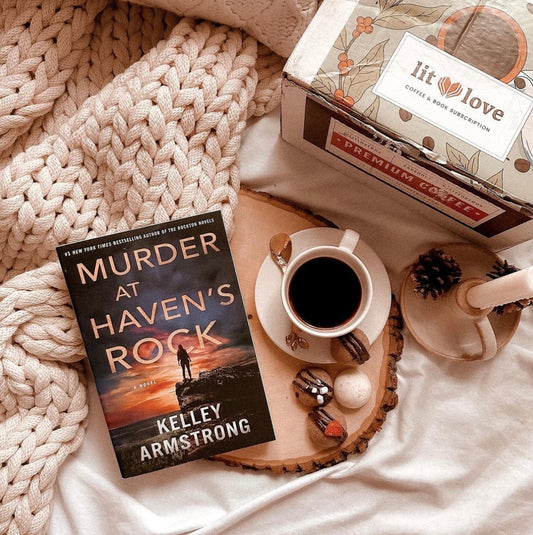
What makes a book a classic worth reading now, when your TBR pile already feels impossible? For a lot of readers, the problem isn't curiosity. It's friction. “Classic” can sound like homework, dense prose, or a title you're supposed to admire more than enjoy.
That's the gap most classic book lists miss. They tell you what's important, but not what fits your mood, your reading habits, or the kind of cozy experience that helps you finish the book. That matters in Canada, where reading is still a big part of everyday life. Statistics Canada reported that 86% of Canadians aged 15 and older read at least one book for pleasure in the previous 12 months, while 54% read at least one print book and 31% read at least one e-book, as noted in this Penguin overview of must-read classics.
At Lit Love Ltd., that's how I think about the top must read classic books. Not as a duty list. As a matching exercise. The right classic should feel like it belongs in your hands, on your couch, beside a mug of tea or tucked into a gift box with a few thoughtful extras.
So this list keeps things practical. You'll find eight classic books that still feel alive, grouped by reading mood and paired with simple ideas that make them easier to slip into. Some are romantic. Some are unsettling. Some are perfect for a snowy weekend when you want to disappear into another world.
Table of Contents
- 1. Pride and Prejudice by Jane Austen (1813)
- 2. Jane Eyre by Charlotte Brontë (1847)
- 3. Wuthering Heights by Emily Brontë (1847)
- 4. The Great Gatsby by F. Scott Fitzgerald (1925)
- 5. The Picture of Dorian Gray by Oscar Wilde (1890)
- 6. Frankenstein by Mary Shelley (1818)
- 7. The Hobbit by J.R.R. Tolkien (1937)
- 8. Beloved by Toni Morrison (1987)
- Top 8 Must-Read Classics Comparison
- Start Your Classic Literature Journey Today
1. Pride and Prejudice by Jane Austen (1813)
If you want one of the top must read classic books that still reads like pleasure instead of obligation, start here. Pride and Prejudice has wit, tension, family chaos, social awkwardness, and one of the most satisfying slow-burn romantic arcs in literature. It's sharp without being cold, and smart without shutting readers out.
This is the classic I'd hand to someone who says they love romance but feel nervous about older prose. Austen's sentences have rhythm, but the emotional logic is very modern. You can feel every bad first impression, every misread signal, and every moment where pride gets in the way of connection.
Why it still works
Pride and Prejudice also comes with deep recognition. In OCLC's WorldCat Library 100 list, Pride and Prejudice appears at #6, which tells you it has durable library visibility and broad cross-generational familiarity. For a subscription box curator, that's a strong sign that this title is both giftable and approachable.
Practical rule: If someone wants “a classic romance” but can't tell you which one, this is usually the safest recommendation.
What doesn't work is overselling it as pure swoon. It's romantic, yes, but the main pleasure is in the dialogue and the social observation. Readers who expect nonstop declarations may find the first third slower than expected. Readers who enjoy banter and character tension usually settle in quickly.
Best pairing for the reading experience
I'd pair this one with comfort and polish rather than dramatic gothic extras.
- Drink pairing: A good black tea or Earl Grey fits the controlled, elegant tone.
- Snack pairing: Luxury chocolate works better than candy because the novel rewards a slower pace.
- Gift box extras: A literary mug, a soft pair of socks, or a bookish candle all suit the mood.
For winter reading, this one shines. It's long enough to immerse you, but lively enough that it never feels heavy. If you like collecting lines to revisit, keep a tabbed bookmark nearby and pair the novel with a browse through these beautiful book quotes for readers.
2. Jane Eyre by Charlotte Brontë (1847)
Jane Eyre is the book I recommend when someone wants romance with more shadow in it. It has emotional intensity, moral conflict, loneliness, longing, and a heroine who refuses to vanish inside someone else's story. If Pride and Prejudice is candlelight and conversation, Jane Eyre is storm clouds and locked doors.
The strongest way to approach it is to see it as both a love story and a self-possession story. Jane's choices matter as much as her feelings. That balance is why the novel still lands with readers who want passion, but don't want passivity.
Who should read it first
This is a strong fit for readers who already love dark romance, gothic atmosphere, or historical fiction with emotional bite. It's also one of the better classics for readers who say they want “something dramatic” but still literary.
A wider canon helps explain why books like this stay in circulation. The Canadian edition of the Modern Library's Top 100 Novels, introduced as a century-defining list of the best English-language novels of the 20th century, placed James Joyce's Ulysses at No. 1 in this video reference to the Canadian Modern Library canon. That kind of canon framework has long shaped how readers discover classics, and novels with recognisable literary authority tend to stay visible across bookstores, libraries, and gifting contexts.
Jane Eyre works best when you let it be strange, not when you try to flatten it into a simple romance.
What doesn't work is reading it in rushed fragments on a distracted week. The atmosphere matters. This book rewards a longer sitting, a rainy evening, and enough quiet to hear its emotional undercurrents.
How I'd build this into a Lit Love style box
For a Canadian bookworm box, I'd lean moody and tactile.
- Candle choice: Something deep and woodsy, not sweet.
- Drink pairing: A dark tea or a gourmet hot chocolate blend.
- Extra item: A soft blanket or a dramatic bookmark suits the novel better than novelty merch.
Jane Eyre also makes a strong autumn or winter pick. It feels best when the weather outside does some of the scene-setting for you.
3. Wuthering Heights by Emily Brontë (1847)
What do you pick when you want a classic that feels stormy, sharp, and a little dangerous? Wuthering Heights is that book. It is one of the strongest choices on this list for readers who do not want a polished romance, but a gothic novel full of obsession, cruelty, class tension, and emotional fallout.
I am careful with how I recommend it in a subscription box, because expectations matter. Readers who open this hoping for a tender love story often bounce off. Readers who go in ready for volatility usually have a much better time. Heathcliff and Catherine are compelling because they are destructive, not because they are admirable.
What works and what does not
This novel works best for readers in the mood for intensity. If you like morally difficult characters, layered family conflict, and fiction that lets atmosphere do real narrative work, this is a rewarding pick. The structure can seem awkward at first, but once you settle into the voices and the setting, the book has real momentum.
It is a poor match for someone looking for their first easy classic. The emotional tone is harsh, the relationships are ugly on purpose, and the payoff comes from staying with that discomfort rather than escaping it.
I also find it works well for discussion. Readers tend to disagree strongly about who deserves sympathy, which makes it a smart pick for subscribers who enjoy book club favourites that spark strong opinions.
Best mood and pairing ideas
Mood matters here more than it does with many classics. This is a cold-night book.
- Best reading mood: Restless, brooding, and ready for a novel that refuses to behave.
- Best season: Late autumn or the middle of winter.
- Best snack: Dark chocolate, oat biscuits, or buttery shortbread.
- Best drink: Strong black tea, an Earl Grey, or a smoky hot drink that suits the moors.
- Best extra for a Lit Love Ltd. box: A charcoal-toned candle, a wooly pair of reading socks, or a moody art print.
For Canadian bookworms, this is one of those titles that pairs beautifully with weather. Snow against the window helps. Wind helps more. If a subscriber asks me for a classic by mood, this goes straight into the "dark and dramatic" category. The reward is not comfort. The reward is force.
4. The Great Gatsby by F. Scott Fitzgerald (1925)

Some classics survive because they're monumental. The Great Gatsby survives because it's slim, elegant, and easy to talk about after you close it. That combination is rare. You get glamour, longing, class tension, illusion, and one of the sharpest portraits of self-invention ever written.
For readers who say they want a literary classic but don't want a huge commitment, this is one of my first picks. The prose is polished, the chapters move quickly, and the symbolism is visible enough to enjoy without turning reading into homework.
Why it earns its place
There's a reason this novel keeps showing up in classrooms, book clubs, and gift stacks. It gives you a lot to discuss without requiring a huge time investment. That makes it one of the most practical top must read classic books for busy readers.
It also pairs well with social reading. If you're choosing a classic for a small group, this is easier to pitch than a longer Victorian novel. The themes are clear, the characters are debatable, and almost everyone has an opinion by the final pages. For that reason, it works beautifully alongside these 5-star books for book clubs.
This is the classic to choose when you want sophistication without slog.
What doesn't work is treating Gatsby as a party novel. The parties are surface. The book is about emptiness, projection, and the damage people do when they confuse desire with destiny.
How to make it feel special
For a Lit Love style presentation, I'd go with visual glamour and a little restraint.
- Drink pairing: A sparkling beverage or cocktail mixer nods to the Jazz Age mood.
- Snack pairing: Elegant chocolate or crisp cookies fit better than playful sweets.
- Extra item: Art Deco inspired décor, a gold-accent bookmark, or a sleek candle jar suits the book.
This is also one of the best classics for readers who like discussing symbolism, unreliable narration, and social masks without needing a giant reading schedule.
5. The Picture of Dorian Gray by Oscar Wilde (1890)

If your taste runs toward dark academia, stylish horror, or morally slippery characters, The Picture of Dorian Gray is a smart place to start. Wilde gives you a novel that feels polished on the sentence level but deliciously unsettling underneath. It's about beauty, vanity, corruption, and the cost of living as if consequence is for other people.
This one often surprises readers who think classics are emotionally distant. Dorian Gray isn't distant. It's eerie, sharp, and often very funny in a cutting sort of way.
Why readers still click with it
The appeal is partly tonal. Wilde's dialogue has bite, and that keeps the novel moving. You get philosophy, but it comes wrapped in wit. You get gothic unease, but it's dressed beautifully.
I often recommend this to thriller readers who want to test the waters of literary classics without losing tension. It's also excellent for people who collect aesthetic editions. The object of the book matters here. A handsome cover, moody candlelight, and a little visual drama improve the whole experience.
Canadian readers looking for high-recognition classics often respond best to titles with clear social proof. Statista reported that Harper Lee's To Kill a Mockingbird was the most frequently marked-to-read classic on Goodreads, with almost 1.06 million users adding it to reading lists in this Statista snapshot of Goodreads classic reading intent. That kind of reader-intent signal is a good reminder that familiar classics often convert better than obscure ones when you're choosing a giftable read.
How to package the mood
Here, aesthetics can do real work.
- Best extra: An art print, ornate bookmark, or beautifully designed candle.
- Best snack: Dark chocolate with a little bitterness suits the novel's edge.
- Best drink: Something elegant and evening-coded, like black tea or a cocktail-inspired mixer.
I wouldn't market this as horror first. “Dark fiction with literary sophistication” is closer to the mark, and it tends to reach the right reader.
6. Frankenstein by Mary Shelley (1818)

Frankenstein is one of the easiest classics to misjudge. People think they already know it through film references, Halloween imagery, or pop culture versions of the monster. Then they read the novel and discover something sadder, stranger, and more philosophical.
That surprise is part of why it still belongs on any serious list of top must read classic books. Shelley wrote a story about creation, abandonment, responsibility, loneliness, and the danger of ambition without ethics. Those themes haven't aged out.
Why it feels modern
The strongest readers for Frankenstein are often thriller, horror, and speculative fiction fans. They come for the gothic atmosphere and stay for the moral questions. The creature is not just frightening. He's also one of the most affecting figures in classic literature.
This is a strong seasonal pick, especially in October or November, but I wouldn't limit it to spooky reading. It works year-round because the core conflict is intellectual as much as atmospheric. Readers who enjoy asking “who is at fault here?” tend to love discussing it.
The best way to sell Frankenstein is not “monster story.” It's “a haunting novel about what happens after a person creates something they refuse to care for.”
Best way to read it
I'd pair this with a quieter, moodier box rather than novelty horror extras.
- Drink pairing: Strong coffee, smoky tea, or a rich hot chocolate.
- Snack pairing: Something simple and grounding. Biscotti or dark chocolate work well.
- Extra item: A dark candle, a notebook, or atmospheric décor fits the novel's reflective tone.
What doesn't work is reading it only for plot. The emotional and philosophical layers are the point. Give it some room, and it pays you back.
7. The Hobbit by J.R.R. Tolkien (1937)
Some classics ask you to admire them. The Hobbit invites you in. That difference matters. If a reader wants adventure, warmth, and a familiar storytelling voice that still feels magical, this is one of the easiest classics to recommend.
Bilbo's journey has all the things that make fantasy enduring. A reluctant hero, a quest, danger, humour, songs, strange creatures, and a deep affection for home. It's a foundational fantasy, but it doesn't feel dusty. It feels companionable.
Why it belongs on a modern list
This is a strong pick for readers returning to books after a slump. The language has charm, the stakes build naturally, and the chapters feel like satisfying units. You can read one before bed and feel like you've made progress.
It's also one of the classics that fits beautifully into an experience-driven box. Fantasy readers usually want immersion, not just a title. The Hobbit gives you a natural path into comfort, escapism, and cozy adventure.
A practical content gap also shows up here. Statistics Canada reported that 61% of Canadians aged 15+ used a public library in the previous 12 months, while 30% borrowed a print book and 14% borrowed an e-book, as referenced in this discussion of Canadian library use and classic starter picks. That supports a simple reality. Readers need starter classics that feel finishable, welcoming, and format-friendly, not just culturally approved.
The coziest way to pair it
This is one of the easiest books on the list to build around.
- Snack pairing: Chocolate, trail mix, shortbread, or any comfort snack that feels a little rustic.
- Drink pairing: Tea, hot chocolate, or coffee in a sturdy fantasy-themed mug.
- Extra item: Socks, a wearable bookish accessory, or a map-inspired bookmark works beautifully.
If someone says they want a classic that feels like a warm blanket with a little danger tucked inside, this is the answer.
8. Beloved by Toni Morrison (1987)
Beloved is not the easiest book on this list, but it may be the most profound. Morrison writes with extraordinary force, and the novel asks readers to sit with trauma, memory, motherhood, haunting, and the afterlife of slavery in North America. It is powerful, demanding, and unforgettable.
I don't recommend this one casually. I recommend it carefully. The right reader will find it life-changing. The wrong moment can make it feel almost too heavy to hold.
Why it matters
Beloved belongs on a must-read list because it expands what many readers think a classic is allowed to be. It's not only a historical novel, and it's not only literary fiction. It's also a ghost story, a memory text, and a work of emotional reckoning.
This is the kind of book that benefits from a slower pace and from conversation after reading. If you're giving it as a gift, include a content note. If you're reading it yourself, avoid picking it up when you only have five distracted minutes at a time.
Some classics comfort you. Beloved confronts you. That's part of its value.
How to support the reading experience
Because the subject matter is heavy, the pairing should be gentle.
- Best extra: A soft self-care item, such as bath and body care or a comforting candle.
- Best snack: Something simple and soothing, not flashy.
- Best reading support: A discussion guide or reading journal helps readers process the layers.
This is also a natural recommendation for readers who seek emotional intensity in books and don't mind being unsettled. If that's your reading lane, you may also want to explore these books that will make you cry.
Top 8 Must-Read Classics Comparison
| Title | Complexity 🔄 | Resource needs ⚡ | Expected outcomes 📊 | Ideal use cases 💡 | Key advantages ⭐ |
|---|---|---|---|---|---|
| Pride and Prejudice (Jane Austen, 1813) | Moderate, period language and dialogue-driven structure | Medium, moderate length; paced, comfortable read | Social satire; character-driven romance and personal growth | Romantic/literary subscription boxes; cozy gift curation | Timeless appeal; strong protagonist; highly giftable |
| Jane Eyre (Charlotte Brontë, 1847) | Moderate–High, Victorian prose with gothic intensity | Medium–High, requires sustained attention to tone and morality themes | Feminist autonomy; gothic atmosphere; psychological depth | Dark romance, historical fiction boxes; autumn/winter themes | Strong heroine; rich atmosphere; crossover appeal |
| Wuthering Heights (Emily Brontë, 1847) | High, nested narrators and morally ambiguous characters | High, demanding structure and emotionally intense content | Uncompromising dark passion; complex character study | Advanced/classic readers; dark romance boxes; seasonal gothic curation | Intense emotional power; narrative sophistication |
| The Great Gatsby (F. Scott Fitzgerald, 1925) | Low–Moderate, concise, lyrical, unreliable narration | Low, short length; quick to read but thematically rich | Symbolic critique of wealth and the American Dream; discussable themes | Book clubs; literary fiction subscribers; glamorous/Art Deco themes | Lyrical prose; compact yet profound; highly discussable |
| The Picture of Dorian Gray (Oscar Wilde, 1890) | Low–Moderate, novella with dense philosophical dialogue | Low, short but intellectually heavy | Exploration of vanity, morality, and aestheticism; quotable wit | Dark literary/psychological boxes; art-themed curation | Witty voice; concentrated philosophical depth; memorable quotes |
| Frankenstein (Mary Shelley, 1818) | Moderate, nested narratives and proto-sci‑fi ideas | Medium, moderate length; reflective reading required | Ethical questions about creation/responsibility; foundational genre themes | Horror/thriller and classic literature boxes; October shipments | Foundational influence on sci‑fi/horror; philosophical complexity |
| The Hobbit (J.R.R. Tolkien, 1937) | Low, accessible adventure and clear world-building | Low, brisk, engaging read suitable for many ages | Escapism; classic world-building; themes of courage and home | Fantasy subscription boxes; family-friendly or introductory fantasy | Genre-defining; broad appeal; comforting adventure |
| Beloved (Toni Morrison, 1987) | High, non-linear, symbolic, emotionally intense | High, dense prose and traumatic subject matter; content warnings advised | Deep historical and psychological insight; powerful emotional impact | Literary fiction boxes with discussion guides and supportive curation | Pulitzer-winning, profound prose; culturally significant |
Start Your Classic Literature Journey Today
Classic literature still matters because it still reaches people where they live. Some readers want romance with sharp dialogue. Some want gothic unease. Some want a quick literary novel for a book club. Others want a fantasy comfort read that feels like an old friend. The label “classic” covers all of that, which is why the best classic reading life is never built from obligation alone.
The practical mistake I see most often is choosing classics by reputation instead of reading mood. That's when books end up half-finished on the nightstand. A better approach is to match the book to the season, your current attention span, and the experience you want around it. If you want wit and warmth, go with Pride and Prejudice. If you want shadow and moral tension, pick Jane Eyre or Frankenstein. If you want a shorter literary novel that sparks discussion, choose The Great Gatsby. If you want escapism, The Hobbit is still one of the friendliest doors into classic reading.
For Canadian readers, that kind of flexibility matters. People read in different formats, borrow from libraries, buy gifts for others, and often want a curated experience rather than another generic recommendation list. That's exactly why classics pair so well with the Lit Love approach. A strong book becomes easier to start and more memorable to finish when it arrives with thoughtful extras that match the tone. Tea, chocolate, candles, bath and body products, a mug, a cozy wearable, or even a small décor item can change a book from “I should read this someday” into “I want to read this tonight.”
That's also what makes classics such strong gift choices. They carry recognition, authority, and a sense of occasion. A carefully chosen classic doesn't feel random. It feels intentional. If you're buying for a romance reader, a dark fiction reader, or someone who wants literary fiction with emotional substance, there's a classic that fits. The key is presenting it in a way that removes intimidation and adds pleasure.
If you're building your own reading list, start with one title from this group and commit to the mood, not just the assignment. Make the tea. Light the candle. Pick the weekend. Let the book have a real place in your life.
Classic literature isn't only about reading the books everyone says you should know. It's about discovering which enduring stories still feel written for you.
If you're ready to turn classic reading into a cozy, giftable experience, explore Lit Love Ltd. for Canada-wide book subscription boxes, ready-to-ship gifts, and curated bookish treats that make every reading month feel special.